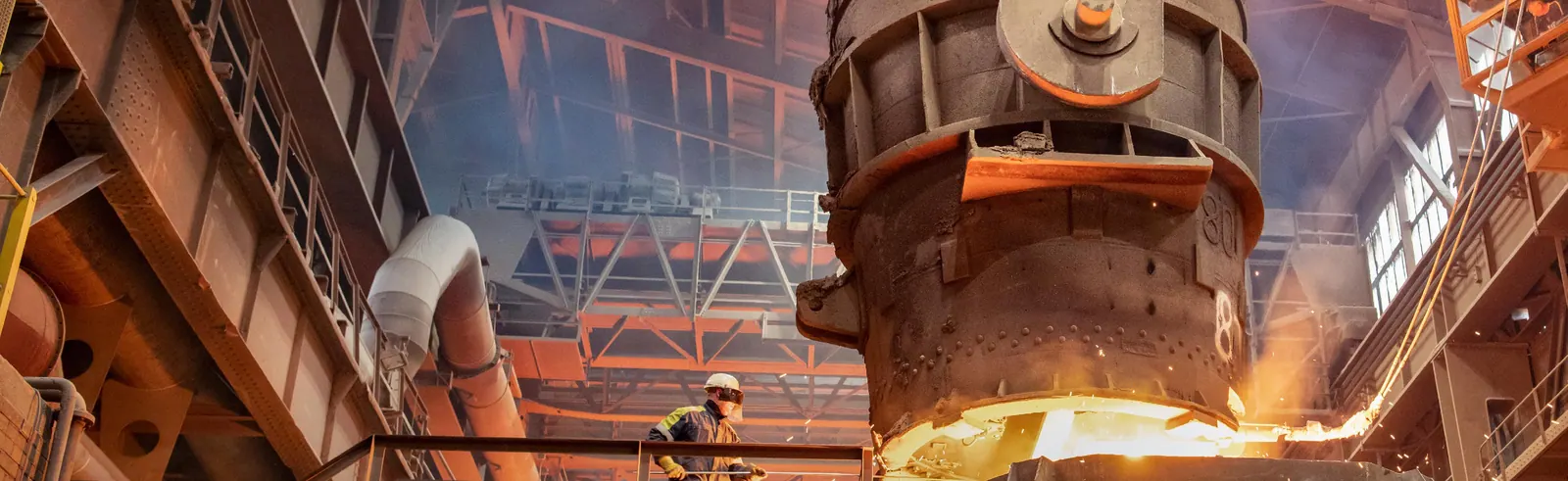
A ladle that does not self-open costs a heat in lost time, costs oxygen lancing, and puts the nozzle at risk. The Ladle Sand is the first suspect, but it is not always the cause. Before switching grades, check these four points.
Holding time is the first one. Sand that opens perfectly after a twenty-minute hold may sinter after fifty minutes. If your scheduling has changed — longer waits between tapping and casting, or more heats held in the ladle — the grade that used to work may simply be out of its range now.
Steel temperature is the second. Higher superheat accelerates sintering. A plant that raises tapping temperature to protect against downstream temperature loss can push a marginal sand over the edge without realising it.
The third point is filling practice. The sand has to be filled to the correct height and packed properly, not poured in loosely. Underfilling leaves steel in contact with the upper part of the nozzle, and overfilling into the bore can compact under the weight of the bath. Both cause failures that look like a material problem.
Fourth, check the nozzle itself. Damage to the bore, or a slide gate that is not sealing cleanly, will cause repeated failures with any sand. If the same grade works in one ladle and fails in another, look at the hardware before the consumable.
Only after these four are ruled out does changing the grade make sense. At that point the useful information to give your supplier is the steel temperature, the holding time, the nozzle diameter and the current self-opening rate — with those four numbers, a manufacturer can recommend a grade instead of guessing.
Related product
Ladle Sand
Filled into the ladle nozzle before tapping, this sand holds the steel back and then releases cleanly when the slide gate opens — so the ladle self-opens and you avoid oxygen lancing and the delays that come with it.