
Products
Ingot Teeming Flux
Clean ingot surfaces. Fewer dressing hours. Less scrap.
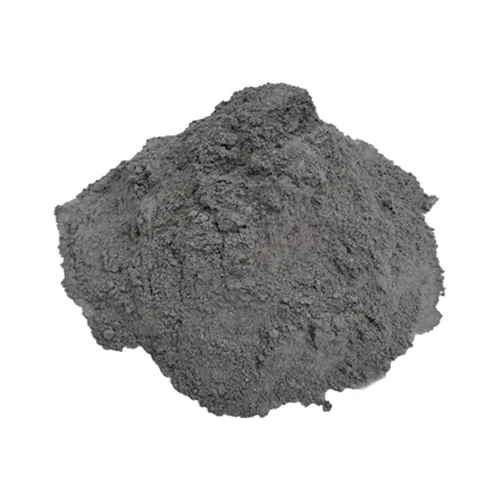
During ingot casting the steel surface in the mould is exposed to air, and that is where surface defects start: oxidation, laps, scabs and entrapped gas. An Ingot Teeming Flux, also called mould flux or casting powder, is added during teeming to form a liquid protective layer on the rising steel surface.
The flux layer does three jobs at once. It shields the steel from atmospheric oxygen, it lubricates the mould wall so the solidifying shell slides without tearing, and it provides a path for gas and inclusions to float clear of the surface. The result is an ingot with a cleaner skin and fewer surface defects.
Our fluxes are supplied in grades matched to ingot size, mould type and steel grade — including rimmed, killed and alloy steels. Composition and melting behaviour are adjusted for your practice.
Grades by carbon content
- Grade
GDZ-1 — micro carbon
Total carbon 1 – 3 %. For low-carbon and ultra-low-carbon steel grades where carbon pickup from the flux must be minimal.
- Grade
GDZ-2 — low carbon
Total carbon 3 – 8 %. The general-purpose grade for killed carbon steels.
- Grade
GDZ-3 — medium carbon
Total carbon 8 – 16 %. Higher carbon gives a more strongly reducing layer and better insulation at the head.
- Grade
GDZ-4 — high carbon
Total carbon 16 – 24 %. For heavy ingots and long solidification times, where sustained heat retention matters most.
What it does for your line
- Protective liquid layer shields the rising steel from atmospheric oxygen
- Lubricates the mould wall — fewer laps, scabs and surface tears
- Helps gas and inclusions escape instead of being trapped at the surface
- Improved head shape on the ingot and fewer surface defects after rolling
- Less dressing and conditioning work before the ingot goes to the mill
- Four grades from micro carbon to high carbon, matched to your steel
Technical data
| Available grades | GDZ-1 / GDZ-2 / GDZ-3 / GDZ-4 |
|---|---|
| Appearance | Grey, grey-brown, black-brown or grey-black powder |
| Melting point | 1,100 – 1,250 °C |
| Bulk density | < 0.90 g/cm³ |
| Basicity | 0.25 – 0.60 |
| Moisture | ≤ 1 % |
| Particle size | 80 % minimum passing 40 mesh (minus 40 mesh undersize ≥ 80 %) |
| Packing | 10 ± 0.5 kg inner bag, 1,000 kg jumbo bag outer |
| Storage | Keep dry; protect from fire |
Figures above are taken from the product technical sheet. Contact us to confirm them against your steel grades.
All grades can be customised — composition, particle size, melting behaviour, alkalinity and packaging are all adjustable. Send us your steel grade and furnace practice — we will recommend an existing grade or formulate one to suit.
Chemical composition and physical properties
| Property | GDZ-1 | GDZ-2 | GDZ-3 | GDZ-4 |
|---|---|---|---|---|
| Carbon range | Micro carbon | Low carbon | Medium carbon | High carbon |
| Al₂O₃(%) | 5 – 20 | 5 – 20 | 5 – 20 | ≤ 10 |
| CaO(%) | 8 – 28 | 8 – 28 | 5 – 25 | 5 – 25 |
| SiO₂(%) | 30 – 50 | 30 – 50 | 28 – 48 | 26 – 46 |
| T.C (total carbon)(%) | 1 – 3 | 3 – 8 | 8 – 16 | 16 – 24 |
| MgO(%) | ≤ 7 | |||
| Fe₂O₃(%) | ≤ 7 | |||
| Na₂O(%) | ≤ 7 | |||
| F(%) | ≤ 7 | |||
| Moisture(%) | ≤ 1 | |||
| Particle size | ≥ 80 % passing 40 mesh | |||
| Melting point(°C) | 1,100 – 1,250 | |||
| Bulk density(g/cm³) | < 0.90 | |||
| Basicity | 0.25 – 0.60 | |||
How to use it
- 01
Dry it first
Move the flux into a drying room ahead of use; the room must be held at 50 °C or above. Flux that has taken up moisture will not melt into an even layer at the mould.
- 02
Match the grade to the ingot
Any ingot that is teemed under a protective flux must be cast with the corresponding grade. Do not substitute a grade intended for a different carbon range.
- 03
Addition rate
2 – 2.5 kg per tonne of steel, applied by two methods together: hanging and scattering across the molten surface.
- 04
Hanging method
Bottom-hung flux is used at 0.5 – 1.0 kg per tonne. The remainder is scattered in from the top of the mould or suspended in three layers along the ingot body — mid-height, lower, and lower again — which gives the most even melting.
- 05
Never do this
Do not throw whole bags into the mould. The flux must be fed in a controlled way so that it forms a continuous layer rather than a patchy one.
- 06
Storage
Keep dry and away from fire. Moisture pickup is the single most common reason a mould flux underperforms.
Packing & delivery
- Inner pack: paper-plastic laminated bag, 10 ± 0.5 kg
- Outer pack: 1,000 kg jumbo bag
- Custom quantitative packing to customer requirement
- Moisture-barrier liner recommended for humid climates
Applications
Also known as: Ingot Teeming Flux · ingot flux · mould flux · casting powder · ingot casting powder · mould powder
Products
Related products
Covering Agent
Cut heat loss from molten steel. Stop secondary oxidation dead.
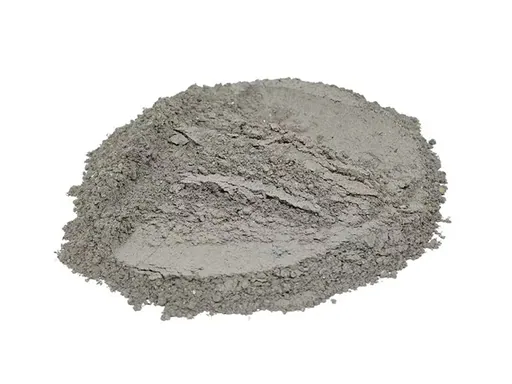
Spread on the molten bath, a Covering Agent melts into a continuous protective layer that holds heat in, keeps air out and absorbs the inclusions that rise to the surface.
Learn more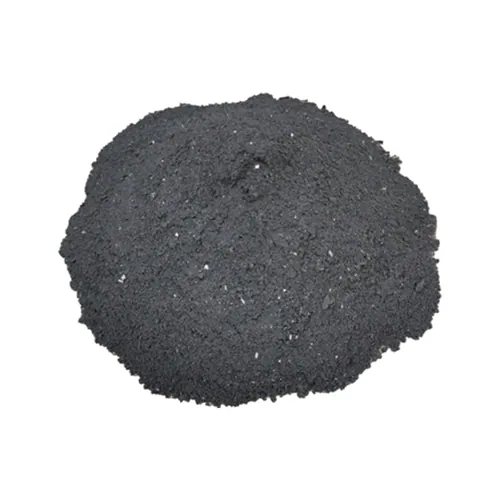
Exothermic Hot Topping Compound
Keep the riser liquid. Get sound castings and a higher yield.
A thermit-type compound that ignites on contact with molten steel and keeps the riser head hot while the casting solidifies — so shrinkage cavities and pipe stay in the riser, not in your product.
Learn more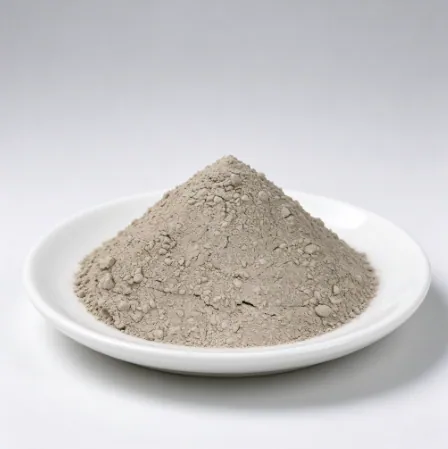
Slag Fluidizer
Thins the slag you already have — so the lime dissolves and the reactions speed up.
A Slag Fluidizer, not a slag former. Added at the converter or the refining ladle, it penetrates viscous high-lime slag, breaks down the calcium silicate network and pulls the melting point down — so lime that was sitting undissolved goes into solution and the slag you already paid for can finally do its job.
Learn moreContact
Request a quote for Ingot Teeming Flux
Tell us your monthly volume and destination port. We will quote with a packing option that suits the shipment.

Have us run a trial batch to your specification
Send us your specification or a sample of what you run now. We will formulate to match it and send a trial batch before you commit to volume.